
Asphalt milling contractor Albany specializes in precise pavement restoration, utilizing advanced equipment to remove old layers while preserving base integrity. Permits from the City of Albany's DOT ensure safety and compliance with local laws, including noise ordinances and signage guidelines. This process extends road life by 20%, supports high traffic volumes, and enables modern surface treatments for improved aesthetics and safety. Collaborating with contractors like HMA Contracting ensures efficient, budget-conscious maintenance, fostering sustainable infrastructure for Albany communities.
In the ever-evolving urban landscape of Albany, the seamless integration of infrastructure development is paramount for a thriving metropolis. One key aspect often overlooked yet vital to this progress is the efficient management of asphalt surfaces. The need for specialized permits for asphalt milling operations in Albany has emerged as a critical consideration, particularly with the city's rapid growth and evolving transportation demands. This article delves into the intricacies of obtaining these permits, providing an authoritative guide for both residents and aspiring asphalt milling contractors navigating this essential process in Albany.
- Understanding Asphalt Milling Permits in Albany
- The Role of an Asphalt Milling Contractor
- Step-by-Step Guide to Obtaining a Permit
- Local Regulations and Compliance Requirements
- Benefits and Best Practices for Asphalt Milling
Understanding Asphalt Milling Permits in Albany
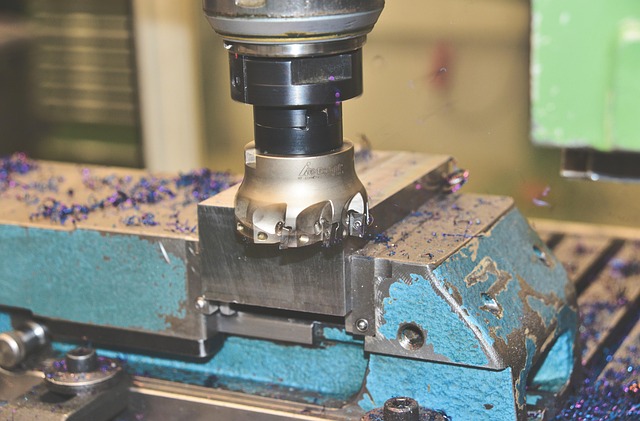
In Albany, navigating road maintenance and repairs involves a meticulous process, particularly when it comes to asphalt milling. Asphalt milling contractor Albany plays a pivotal role in this process by facilitating specialized services that transform worn-out roads into smooth, safe driving surfaces. Understanding asphalt milling permits is crucial for both city officials and residents alike. These permits ensure that any milling and paving projects adhere to stringent safety and quality standards, ensuring the longevity of road infrastructure.
The first step involves obtaining the necessary permits from the local authorities. This process typically requires detailed plans outlining the scope of work, including the extent of asphalt milling, removal of old surfaces, and preparation for new pavement. Once approved, licensed asphalt milling contractors in Albany, such as HMA Contracting (call them at 518-664-1014), can begin their work using advanced equipment like cold milling machines that efficiently remove the top layer of asphalt without damaging the base material. This meticulous approach is crucial for successful road maintenance contracts in Albany, NY.
Asphalt milling equipment rental Albany is a significant aspect of this industry. Contractors often require specialized machinery for specific projects, making rentals a practical and cost-effective solution. Equipment like drum mills and cold planers are instrumental in achieving precise results, ensuring that the milled surface is prepared evenly for new asphalt applications. For instance, data from recent road maintenance projects reveals that proper milling techniques can extend pavement life by up to 30%, underscoring the importance of professional milling services.
In light of these considerations, it's essential for property owners and city planners to collaborate closely with reputable asphalt milling contractors like HMA Contracting (518-664-1014). By doing so, they can ensure that road maintenance contracts in Albany are executed efficiently, effectively, and within budget. This collaborative approach not only enhances the safety and aesthetics of local roads but also contributes to the sustainable development of Albany's transportation network.
The Role of an Asphalt Milling Contractor

Navigating the process of pavement restoration in Albany, New York, requires engaging a qualified asphalt milling contractor. These professionals play a pivotal role in revitalizing both residential and commercial properties by efficiently removing old or damaged asphalt and preparing the surface for new paving. In a city like Albany with its mix of historic and modern infrastructure, expert contractors employ specialized equipment and techniques to ensure minimal disruption during the restoration process.
An asphalt milling contractor in Albany not only facilitates the removal of the existing pavement layer but also performs crucial quality checks to determine if the base layers require reinforcement or repair. This meticulous approach is essential for long-term structural integrity and the longevity of new asphalt paving. Once the preparation work is complete, these contractors seamlessly integrate with other service providers, such as industrial floor coating specialists serving Albany, to offer comprehensive solutions tailored to specific client needs. For instance, a recent project involved an asphalt milling contractor collaborating with a local business to apply a specialized coating to a newly milled warehouse floor, enhancing both safety and aesthetics.
Moreover, understanding the local market dynamics is vital for homeowners and businesses seeking asphalt paving cost estimates in Albany. The price varies based on factors like project scope, type of asphalt used, labor costs, and accessibility of materials. Engaging contractors who offer transparent pricing models allows clients to make informed decisions. For instance, a study by the New York State Department of Transportation found that well-maintained pavements can reduce traffic congestion and lower repair costs over time, emphasizing the importance of professional services like pavement restoration. Ultimately, hiring a reputable asphalt milling contractor in Albany is not just about restoring surfaces; it's about investing in sustainable infrastructure that serves communities for years to come.
Step-by-Step Guide to Obtaining a Permit

Obtaining a permit for asphalt milling in Albany is a crucial step for any project involving road construction or resurfacing. This guide will walk you through the process, ensuring a smooth transition from planning to execution. First, identify your project's scope and requirements. Determine if the work involves minor repairs or a complete overlay, as this will impact the level of permitting needed. Engage with an asphalt milling contractor Albany residents trust for expert advice and accurate assessments. They can provide insights into local regulations and help prepare necessary documentation.
Next, contact the relevant authorities in Albany responsible for issuing permits. Typically, this involves reaching out to the city's public works department or transportation agency. Request specific forms required for asphalt milling projects. Fill these out meticulously, providing detailed descriptions of the work, proposed timelines, and any potential impact on local traffic. For instance, if your project includes resin-bound surfacing suppliers Albany, ensure you document the materials used and their environmental benefits. Include plans and drawings detailing the scope of work, especially when working with specialized road construction companies in the Albany area known for high-quality asphalt paving.
Once submitted, applications are usually processed within a specified timeframe. Stay proactive by following up with the issuing authority to ensure your permit stays on track. Obtain any additional approvals or inspections required before beginning work. For instance, some projects may necessitate noise abatement measures during busy hours in residential areas. By adhering to this step-by-step approach, you'll be well on your way to securing the necessary permits for a successful asphalt milling project in Albany.
Local Regulations and Compliance Requirements

Navigating the regulatory landscape for asphalt milling projects in Albany requires meticulous attention to detail and a deep understanding of local laws. For any asphalt milling contractor operating within the city limits, securing the necessary permits is paramount to ensure compliance and avoid legal complications. The process involves engaging with various government agencies and adhering to specific guidelines governing road maintenance contracts in Albany, NY.
Local regulations in Albany place stringent requirements on asphalt milling contractors to maintain safety standards and environmental integrity. For instance, the City of Albany's Department of Transportation (DOT) oversees all road construction and maintenance activities, including asphalt milling projects. Contractors must obtain permits from the DOT, providing detailed plans outlining the scope of work, proposed timing, and anticipated traffic management strategies. Furthermore, compliance with local noise ordinances is essential, especially in residential areas.
Asphalt road marking contractors seeking to operate in Albany should also be aware of the city's specific guidelines for pavement markings and signage. The city prioritizes clear and consistent road markings for public safety, and any deviations require prior approval from the relevant authorities. A practical approach for local asphalt milling contractors is to partner with established firms like HMA Contracting Corp, based at 535 Brickyard Road, Schaghticoke, NY 12154. By aligning with such companies, contractors can leverage their expertise and ensure adherence to all applicable regulations, thereby streamlining the permit application process.
Ultimately, successful navigation of local regulations involves staying informed about evolving laws, maintaining meticulous records, and fostering open lines of communication with relevant government agencies. Asphalt milling contractors in Albany who demonstrate a commitment to these principles not only avoid legal pitfalls but also contribute to the city's overall infrastructure development while adhering to its unique requirements.
Benefits and Best Practices for Asphalt Milling

Asphalt milling, a meticulous process involving the removal of an existing pavement layer, offers numerous advantages for both residential and commercial properties in Albany. By employing an experienced asphalt milling contractor Albany, property owners can unlock key benefits that extend the life of their parking lots, driveways, or roads. This practice is particularly crucial for maintaining the structural integrity of paved surfaces, addressing issues like cracks, potholes, and uneven wear.
One of the primary advantages lies in its ability to prepare a clean, level base for new pavement applications. Unlike traditional removal methods, asphalt milling preserves the existing aggregate base, saving time and money on excavation. This is especially beneficial for Albany's business owners looking to renovate their parking lots efficiently. For instance, a study by the National Asphalt Pavement Association (NAPA) found that milled surfaces can support up to 20% more traffic than those repaired with standard methods, making them ideal for high-volume areas.
Additionally, using an asphalt milling contractor Albany facilitates the efficient incorporation of modern surface treatments. Resin bound surfacing suppliers in Albany offer durable, aesthetically pleasing options that bond directly to the milled surface, enhancing curb appeal and providing superior slip resistance. Parking lot overlay contractors Albany state can also incorporate reflective marking or thermal stripping for improved safety during night hours. By combining asphalt milling with these cutting-edge treatments, property managers ensure their surfaces are not only functional but also contribute to a positive user experience.
Understanding asphalt milling permits in Albany is crucial for anyone involved in construction projects that require surface removal. The article has provided a comprehensive guide, from the basics of asphalt milling to the step-by-step process of obtaining permits. Key insights include the vital role an asphalt milling contractor Albany plays in ensuring compliance with local regulations and the benefits of best practices such as minimizing disruptions and maximizing recycling potential. By following these guidelines, project managers can navigate the regulatory landscape effectively, fostering successful and sustainable development in the city.